
Air Freight vs Ocean Freight: Costs, Transit Time & Cargo Guide
09 Nov 2026
|
Hong Kong is a major international logistics hub, with one of the world’s busiest cargo airports, a deep-water port and an extensive shipping network. For businesses sending goods overseas, a recurring question is whether a shipment should go by air freight or by ocean freight. Choosing the wrong option could mean higher costs at best, or late deliveries and strained customer relationships at worst.
Air freight’s main advantage is speed, while ocean freight’s is cost. The right choice depends on what you are shipping, the shipment volume and when it needs to arrive. In this article, we compare air and ocean freight, look at the types of cargo each one suits best and show how planning each shipment carefully can help you avoid unnecessary freight costs and delays.
Key Differences Between Air Freight and Ocean Freight
Air Freight: Faster Transit, Priced by Chargeable Weight
Air freight moves goods in the hold of passenger aircraft or on dedicated freighters. The primary advantage of air freight is speed: shipments within Asia usually arrive in one to three days, and most long-haul deliveries take only a few days.
Hong Kong air freight companies generally charge by “chargeable weight”, which is the higher of a shipment’s actual weight and its volumetric weight. As a result, bulky but lightweight cargo is not necessarily cheap to send by air.
Ocean Freight: Greater Capacity, Lower Unit Cost
Ocean freight carries goods in containers on cargo ships. From Hong Kong, nearby Asian ports are usually several days to a week away, while Europe and the Americas can take several weeks, depending on the route and any transshipment along the way.
With far more capacity than an aircraft, ocean freight is the natural fit for large volumes. It generally costs less per unit than air freight, but transit times are longer and shipments are more exposed to port congestion and schedule changes.
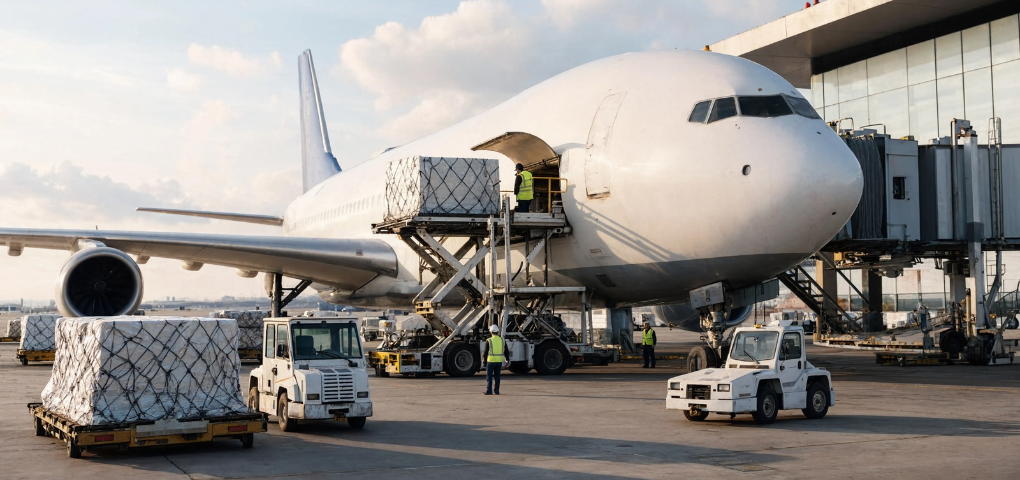
Which Types of Cargo Are Best Suited to Air Freight?
Urgent Shipments and Goods with Fixed Deadlines
When a delay translates directly into losses, such as a production line coming to a standstill because a part is missing, exhibition samples arriving after the show has opened or a customer order with a strict delivery date, air freight is the safest option. Compared with the cost of downtime or a broken contract, paying more for air freight is often the more cost-effective choice.
For extremely urgent documents or parts, ask Hong Kong air freight companies whether they offer an on-board courier (OBC) service, where a courier travels with the goods on the flight to cut delivery time even further.
High-Value and Precision Goods
Electronics, jewelry and designer handbags are high in value yet relatively small, so freight charges account for only a small share of what the goods are worth. A shorter journey also means less time in transit and a lower risk of theft or damage.
For precision goods such as semiconductor chips, medical devices, optical lenses and measuring and testing equipment, air freight also avoids the constant vibration of a long sea voyage and the damp conditions at sea that can harm sensitive components.
Perishable Goods and Products with a Limited Shelf Life
Flowers, seafood, fresh produce and certain pharmaceuticals have a limited shelf life, so transit time has a direct impact on quality. These goods usually need cold chain or temperature-controlled handling, and air freight gets them to their destination in the shortest possible time. That means less spoilage along the way and fewer returns or claims caused by quality issues.
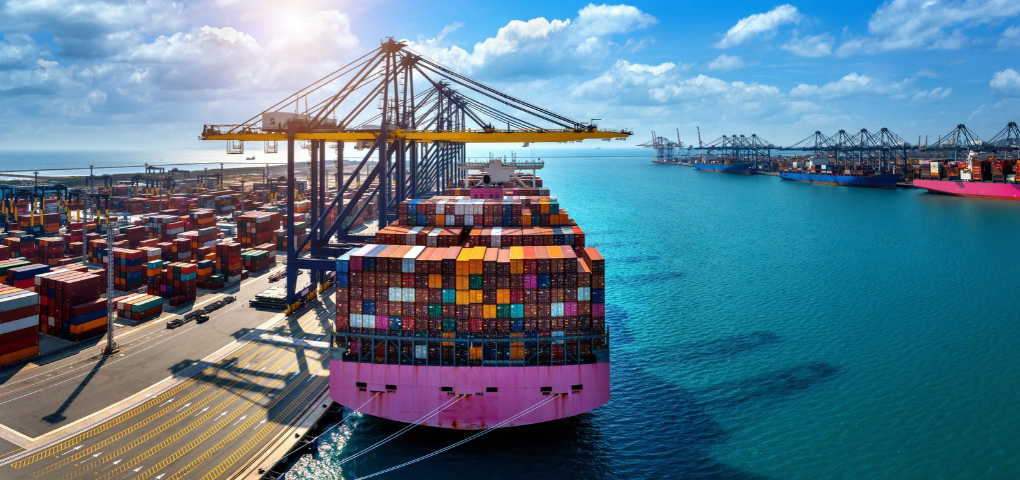
Which Types of Cargo Are Best Suited to Ocean Freight?
Large-Volume and Heavy Goods
Furniture, building materials, machinery, raw materials and bulk consumer goods are bulky and heavy. Shipping them by air could result in freight costs that exceed the profit margin on the goods. Ocean freight moves cargo by the container, combining large capacity with a lower unit cost, which makes it well suited to bulk exports and project cargo.
Non-Urgent Goods That Can Be Planned Ahead
Seasonal stock, regular restocks of consumer goods and raw materials tend to follow a predictable schedule, so speed is rarely the priority. With inventory planned in advance and enough lead time built in, ocean freight can keep your logistics costs firmly under control.
Oversized Goods and Air-Restricted Cargo
Some goods, such as large machinery or engineering components, are too large for an aircraft hold, making ocean freight the preferred option. Dangerous goods such as lithium batteries or flammable liquids in large quantities also face tighter limits by air. Ocean freight is generally more flexible on quantities and packaging, although these shipments must still be declared in line with the regulations.
Air Freight vs Ocean Freight: A Side-by-Side Comparison
Freight rates are only one factor; businesses should also consider inventory costs and the risk of delay. The table below compares air freight and ocean freight:
| Air Freight | Ocean Freight | |
| Cost | Higher; based on chargeable weight | Lower; based on container or volume |
| Transit time | Faster; usually a few days | Slower; several days to several weeks, depending on the route |
| Shipment size | Small to medium | Large, with full container load (FCL) or less than container load (LCL) options |
| Typical cargo | Urgent, high-value, precision and perishable goods | Large, heavy, non-urgent and oversized goods |
| Weather impact | Lower; bad weather may delay flights | Higher; typhoons and other severe weather can delay sailings by several days |
| Cargo restrictions | Stricter rules on dangerous goods; size limited by the aircraft hold | More flexible on dangerous goods; can carry oversized and heavy cargo |
Can Air and Ocean Freight Work Together?
Air freight and ocean freight are not an either-or choice. By matching each consignment to the right mode, depending on what it is, how much there is and when it needs to arrive, businesses can strike the right balance between cost and speed.
Send Urgent Goods by Air Freight and the Bulk by Ocean Freight
Shipping most of your volume by ocean freight helps control overall costs. Urgent items, such as new product samples, unexpected stock shortages or time-sensitive customer orders, can then be sent by air freight. This keeps your supply steady without paying air freight rates for every shipment.
Plan Around Peak Sales Seasons
Retailers and e-commerce businesses can adjust their shipping plans to the sales cycle. Send your main stock by ocean freight a few weeks before the peak season, then use air freight to restock any products that sell faster than expected. However, freight demand generally rises during peak periods and both air freight and ocean freight‘s capacity may be limited, so early booking with your logistics provider is advisable.
Choose Jupiter for Tailored Air and Ocean Freight Solutions
Founded in Hong Kong in 1983, Jupiter Global is a group company of Japan Airlines (JAL) and Mitsubishi Logistics. Having started out as an on-board courier provider, it has grown into a multinational logistics group with 39 offices worldwide, offering air freight, ocean freight and land freight forwarding.
Jupiter can tailor air freight and ocean freight solutions around your cargo, volumes and deadlines. If you are looking for a reliable Hong Kong logistics company, explore Jupiter’s freight services, or contact us.
Frequently Asked Questions
How Is Air Freight Chargeable Weight Calculated?
Chargeable weight for air freight is the higher of the actual weight and the volumetric weight. Volumetric weight is generally calculated as length × width × height (cm) divided by 6,000, but standards can vary between Hong Kong air freight companies, so it is advisable to confirm this when you compare quotes.
How Do I Choose the Right Hong Kong Air Freight Company?
Three key factors to consider are route network, experience with special cargo and transparent pricing. Check that the company covers your destination, can handle temperature-controlled or dangerous goods, and clearly lists fuel surcharges and other extra charges in its quote. If you ship regularly, it is also advisable to ask whether cargo tracking and a dedicated contact are available.
Can I Use Ocean Freight for Small Shipments?
Yes. For smaller volumes, you can choose less than container load (LCL) shipping, where your goods share a container with cargo from other businesses and you pay for the space or weight you actually use. However, LCL usually comes with a minimum charge and takes slightly longer than full container load (FCL), so compare the total cost of LCL ocean freight and air freight before you ship.
SHARE TO :


